Save 20% on your first session
Group Therapy Programs
Healing and growth often happen in connection with others. Group therapy offers a collaborative space to explore challenges, learn new skills, and move forward with greater clarity and confidence.
At Psyvera Services, our group therapy programs are structured, goal-oriented, and designed to support meaningful, lasting change. Each 12-week group provides a safe, supportive space where participants can gain insight, build practical skills, and connect with others facing similar challenges.
Self-Esteem Group
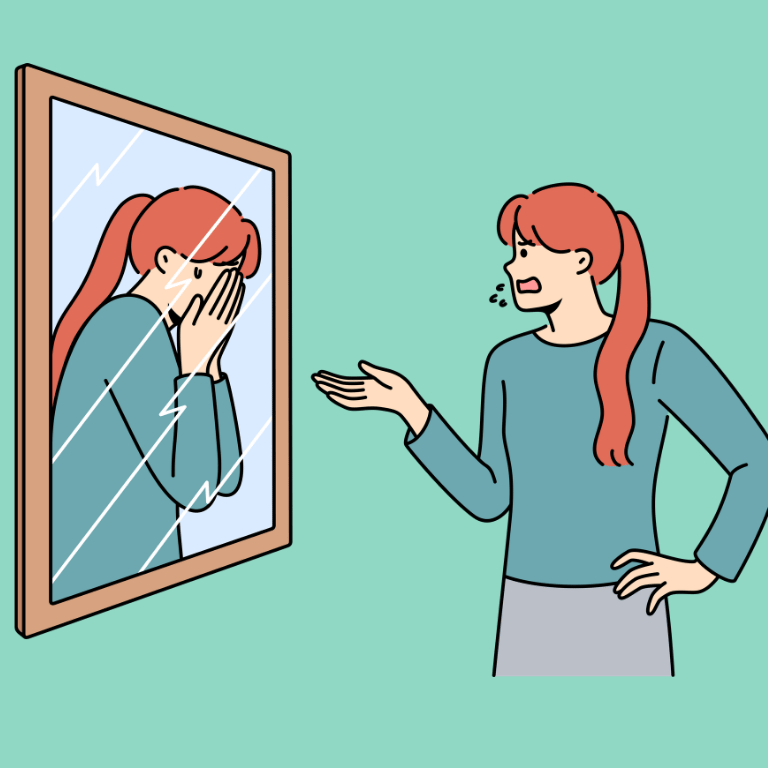
A strong sense of self-worth shapes how you think, feel, and show up in your relationships and daily life. Yet many people struggle with self-doubt, negative self-talk, people-pleasing, and difficulty recognizing their own value. These patterns can become deeply ingrained, making it hard to feel confident or grounded.
This structured, goal-oriented 12-week group offers a supportive and focused space to begin shifting these patterns in a meaningful and lasting way. Through a combination of guided discussions, psychoeducation, and practical exercises, participants move beyond insight and begin applying real change in their daily lives. Each week targets a specific aspect of self-esteem, helping you build a more stable and confident sense of self over time.
Participants will:
Identify and challenge core negative beliefs
Develop healthier self-talk and self-compassion
Improve confidence in relationships and decision-making
Learn to set and maintain healthy boundaries
Build emotional resilience and a more stable sense of self
This is not just a support group—it is a structured process designed to help you reshape how you see yourself and engage with the world, with changes that extend beyond the group setting.
✨ Now Enrolling ✨
🗓 Thursdays at 6:30 PM
📅 Starts Oct 01, 2026
💻 12-Week Telehealth Group
Anger Management Group
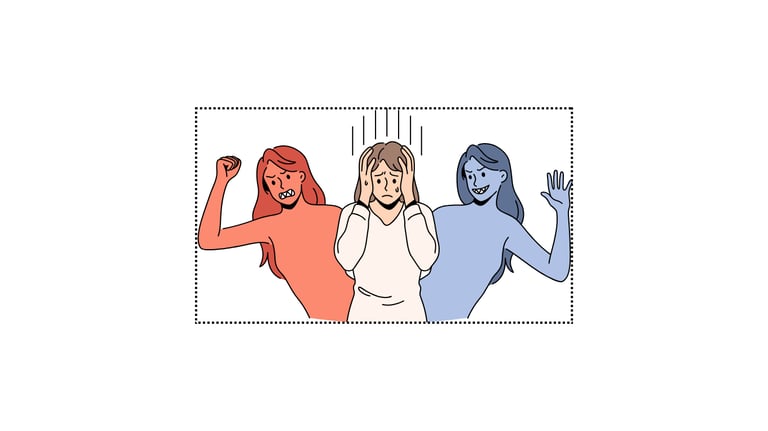
Difficulties with anger can significantly impact emotional functioning, relationships, and daily life. This structured, goal-oriented 12-week group is designed to support individuals in understanding, managing, and expressing anger in healthy and constructive ways.
This program provides a supportive and non-judgmental space to explore the underlying causes of anger and develop practical skills for emotional regulation and effective communication. Each week focuses on building specific skills that help participants move from reactive patterns to intentional responses.
Participants will:
Identify personal triggers and early warning signs of anger
Understand the underlying emotions driving anger
Develop emotional regulation and distress tolerance skills
Learn healthy ways to express anger without escalation
Improve communication and conflict resolution skills
Build long-term strategies to prevent relapse
This is not just about “controlling anger”—it is about understanding it, managing it, and responding with clarity and control.
✨ Now Enrolling ✨
🗓 Mondays at 6:30 PM
📅 Starts Nov 02, 2026
💻 12-Week CBT Telehealth Group
Life Skills & Daily Functioning Group
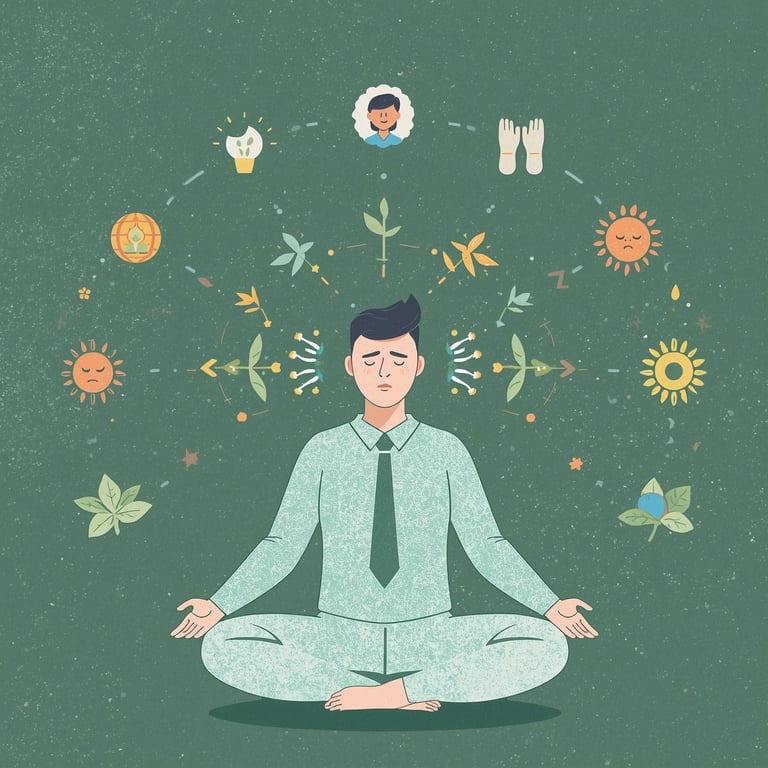
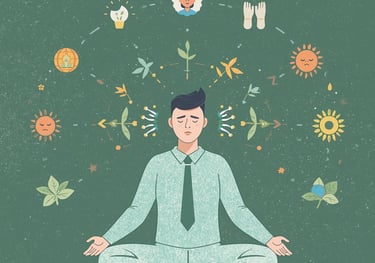
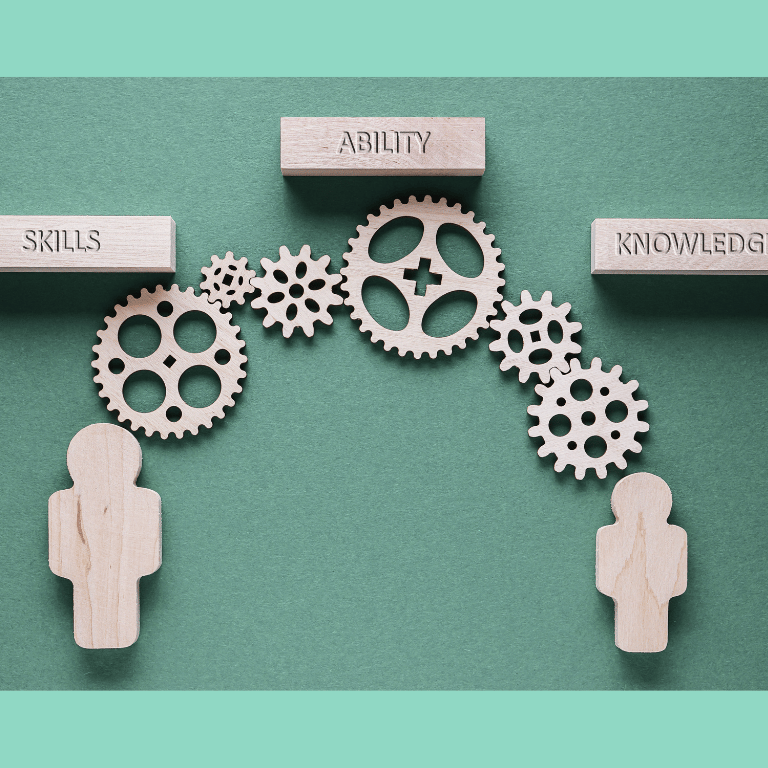
Managing daily responsibilities can feel overwhelming, especially when stress, mood challenges, or life transitions interfere with routine and structure. Difficulties with organization, time management, communication, and follow-through can impact both personal and professional life.
This structured, goal-oriented 12-week group provides a supportive and practical space to build essential life skills that improve daily functioning and overall independence. Through guided discussions and hands-on strategies, participants learn how to create structure, manage responsibilities, and navigate everyday challenges more effectively. Each week focuses on building specific skills that help participants move from feeling disorganized or overwhelmed to more confident, capable, and in control of their daily lives.
Participants will:
Improve time management and organizational skills
Build consistent daily routines and structure
Develop problem-solving and decision-making skills
Strengthen communication and interpersonal effectiveness
Learn stress management and adaptive coping strategies
Increase accountability and follow-through on goals
This is not just about “getting things done”—it is about building the skills, structure, and confidence needed to manage everyday life more effectively and independently.
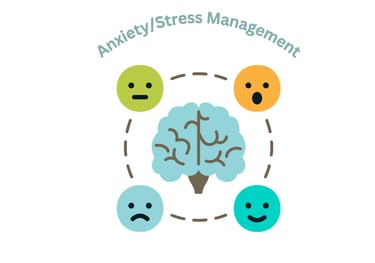
Anxiety & Stress Management Group
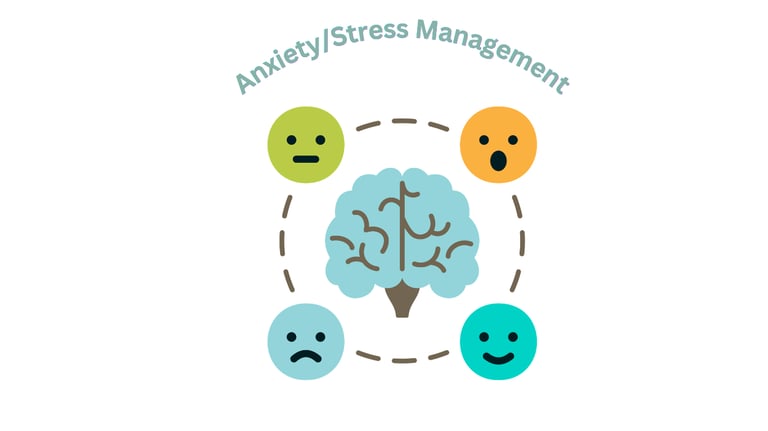
Anxiety and stress can show up in many ways—racing thoughts, constant worry, physical tension, or feeling overwhelmed by everyday responsibilities. Over time, these patterns can begin to interfere with focus, relationships, and overall well-being.
This structured, goal-oriented 12-week group provides a supportive and non-judgmental space to better understand anxiety and stress, and to develop practical tools for managing them effectively. Through guided discussions and skill-building, participants learn how to respond to stress with greater awareness and control.
Each week focuses on building specific skills that help participants move from feeling overwhelmed and reactive to more calm, grounded, and intentional.
Participants will:
Identify personal triggers and patterns of anxiety and stress
Understand the connection between thoughts, emotions, and physical responses
Learn techniques to manage racing thoughts and excessive worry
Develop emotional regulation and relaxation skills
Build healthy coping strategies for daily stressors
Improve focus, resilience, and overall well-being
This is not just about “reducing stress”—it is about understanding your responses, building effective coping skills, and creating a more balanced and manageable way of living.
Bipolar Awareness & Support Group
Living with bipolar disorder can feel unpredictable, with shifts in mood, energy, and thinking that can impact daily life, relationships, and overall stability. These changes can be confusing and, at times, difficult to manage without the right support and understanding.
This structured, goal-oriented 12-week group provides a supportive and non-judgmental space to better understand bipolar disorder and develop practical strategies for managing mood changes. Through guided discussions and skill-building, participants gain insight into their patterns and learn tools to support greater balance and consistency.
Each week focuses on building specific skills that help participants move from feeling reactive or uncertain to more aware, stable, and intentional in their daily lives.
Participants will:
Increase understanding of bipolar disorder and mood cycles
Identify early warning signs of mood shifts
Develop strategies to manage depressive and elevated mood states
Build routines that support mood stability (sleep, activity, structure)
Learn emotional regulation and coping skills
Improve communication and strengthen support systems
This is not just about managing symptoms—it is about building awareness, creating structure, and developing strategies that support long-term stability and well-being.
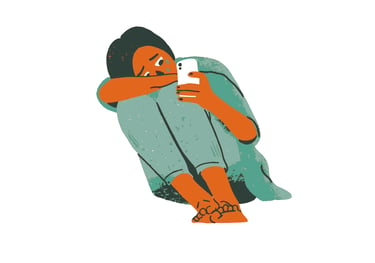
Depression Support Group
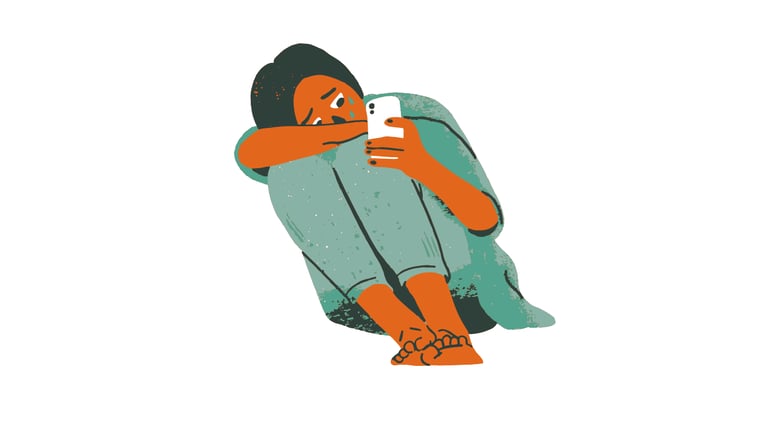
Depression can make everyday life feel heavy, exhausting, and isolating. It often affects not only how you feel, but also your energy, motivation, and ability to stay connected with others. When these patterns persist, it can become difficult to find a way forward on your own.
This structured, goal-oriented 12-week group offers a supportive and non-judgmental space to better understand depression and begin making gradual, meaningful changes. Through guided discussions and skill-building, participants will learn practical ways to manage symptoms and reconnect with daily life.
Each week focuses on building specific skills that help participants move from feeling stuck and overwhelmed to more engaged and intentional in their lives.
Participants will:
Identify patterns of negative thinking and low mood
Understand the connection between thoughts, emotions, and behaviors
Develop strategies to increase motivation and daily activity
Learn emotional regulation and coping skills
Improve self-awareness and self-compassion
Build routines that support long-term stability and well-being
This is not just about “feeling better”—it is about understanding depression, developing effective strategies, and creating meaningful, sustainable change.